Waiting until a furnace completely fails before furnace replacement in Shreveport, LA is a common approach—but it’s rarely the most cost-effective or comfortable option. An aging furnace often gives warning signs long before it stops working altogether. Understanding the benefits of upgrading before a breakdown helps homeowners avoid emergency situations, unexpected expenses, and unnecessary stress during the coldest parts of the year.
Breakdowns Rarely Happen at Convenient Times
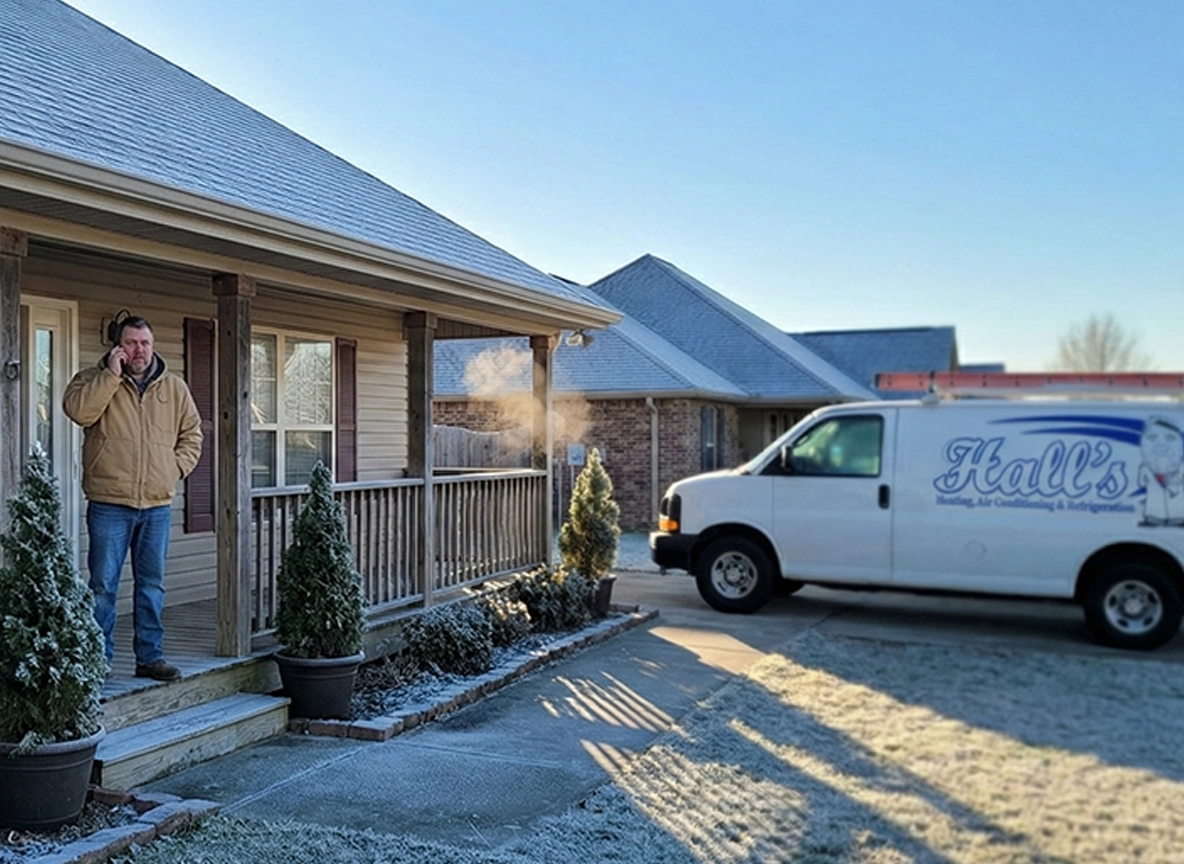
Furnaces tend to fail when they are under the most demand. Cold snaps push aging systems to their limits, increasing the likelihood of a sudden shutdown. When a furnace breaks down unexpectedly, homeowners are often forced to make rushed decisions, face limited equipment availability, and incur emergency service costs.
Upgrading before a breakdown allows you to plan the replacement on your timeline. You can choose the right system, schedule installation at a convenient time, and avoid being without heat.
Repair Costs Add Up Quickly
Older furnaces become more expensive to maintain as components wear out. What starts as an occasional repair can turn into repeated service calls each heating season. Motors, igniters, control boards, and heat exchangers are all costly parts that tend to fail as systems age.
When repair costs approach a significant portion of replacement cost, investing in a new furnace becomes the smarter financial decision. Upgrading eliminates the cycle of repeated repairs and provides peace of mind knowing your system is reliable.
Energy Efficiency Declines Over Time
Even well-maintained furnaces lose efficiency as they age. Older systems were built to lower efficiency standards and cannot match modern furnace technology. As efficiency drops, your system burns more fuel to produce the same amount of heat.
This inefficiency shows up as higher utility bills throughout the winter. A new high-efficiency furnace delivers improved performance, reduced energy waste, and lower monthly heating costs. Over time, energy savings help offset the cost of replacement.
Comfort Problems Often Signal a Failing Furnace
Uneven heating, frequent cycling, and difficulty maintaining a steady temperature are common signs of an aging furnace. Older systems struggle to distribute heat evenly, leaving cold spots and uncomfortable living spaces.
Modern furnaces provide more consistent airflow and better temperature control. Features like variable speed blowers and advanced controls improve comfort while reducing system strain. Upgrading restores balanced heating throughout your home.
Safety Becomes a Bigger Concern With Age
As furnaces age, safety risks increase. Cracked heat exchangers, failing sensors, and worn components can pose serious hazards if left unaddressed. Carbon monoxide risks are especially concerning with older gas furnaces.
Replacing an aging furnace improves safety by incorporating modern protections and updated design standards. New systems are built with enhanced monitoring and shutdown features that help protect your household.
Planning Ahead Gives You Better Options
Upgrading before a breakdown gives you time to explore equipment options, efficiency levels, and available features. You are not limited to what is immediately available during an emergency.
Planned furnace replacement also allows for a proper evaluation of ductwork, airflow, and system sizing. This ensures your new furnace operates efficiently and delivers long-term performance rather than simply replacing old equipment with similar issues.