 When winter weather arrives, what type of heating system in your home keeps you warm? Furnaces are the most common, and the majority run from natural gas. Not all houses have this option, however, either because they don’t have a connection to a natural gas line or because of concerns over the safety of gas-burning systems. In these cases, an electric furnace is a good alternative. An electric furnace costs more to run (electricity is a more expensive energy than gas), but it also costs less to install. An electric furnace can often outlast a gas model.
Here’s another benefit: because electric furnaces don’t suffer the same level of wear as a furnace that uses combustion gas, they tend to have fewer repair needs over their lifetimes. Annual heating maintenance can drop that already low amount by 85%.
Nothing can prevent all repairs, however. If your electric furnace malfunctions, contact us to arrange for fast furnace repair service.
The More Common Electric Furnace Repairs
Both electric furnaces and gas furnaces share types of repairs, and there are a few specific to the electric furnace as well.
- Replacing a failed blower motor: The blower motor is an electric component found in all types of furnaces. This motor undergoes heavy stress in winter, and it may burn-out due to wear or an electrical short. In most cases, technicians must replace the motor.
- Repairing burned out heating elements: The heart of an electric furnace is a series of heating elements containing electrical coils. As electricity passes through the coils, they grow hot and transfer this heat to the air from the blower fan. If you start to notice a drop in warmth levels in your house, a heating element may have failed, requiring a professional to look into it.
- Fixing the sequencer: The sequencer is a component that turns on and off different heating elements so the furnace won’t create a power overload. You don’t want all the heating elements turned on at once, that would definitely overload the electrical panel. A sequencer can be repaired or replaced as necessary.
- Replacing the limit control: The limit control is a feature to shut off the furnace to avoid overheating. On older furnaces, the limit control also controls the fan. If your electric furnace won’t stop running—or it won’t turn on at all—you may need to have a professional replace a malfunctioning limit control.
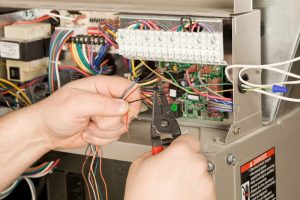
- Various electrical failures: Electric shorts, corroded connections, loose wires, broken relays… there is a wide range of electric malfunctions that can impair the furnace or cause it to break down entirely. One warning sign you may see is when the furnace causes a circuit breaker to trip when it turns on. As with most electrical repairs, you never want to handle one on your own.
We can take care of your needs for heating in Haughton, LA and throughout our wide service area. We have extensive experience working with both natural gas and electric furnaces. We will track down the problem and have it fixed accurately.
Frequently Asked Questions
Question: Why is my electric furnace blowing air that is not warm enough?
Answer: Reduced heat can happen when one or more heating elements are no longer working properly. The furnace may still run, but the air coming from the vents can feel cooler than expected. A technician can test the heating elements and determine whether replacement is needed.
Question: What happens when an electric furnace sequencer starts to fail?
Answer: A faulty sequencer can prevent heating elements from turning on in the correct order. This may cause uneven heating, reduced heat output, or electrical problems. Because the sequencer controls high-voltage components, testing and replacement should be handled by a qualified HVAC technician.
Question: Can a bad limit control cause an electric furnace to run continuously?
Answer: Yes. The limit control helps regulate furnace operation and protects the system from overheating. If it malfunctions, the furnace may continue running, shut down unexpectedly, or fail to start, depending on the specific fault.
Question: Why does my electric furnace trip the breaker when it starts?
Answer: Repeated breaker trips can indicate a short circuit, loose wiring, damaged relay, failing motor, or another electrical problem inside the furnace. Avoid repeatedly resetting the breaker. An HVAC technician should inspect the electrical components and correct the underlying fault before the system is used again.
Question: Can a failing blower motor affect electric furnace heating performance?
Answer: Yes. The blower motor moves heated air through the duct system, so a weak or failing motor can reduce airflow even when the heating elements are working. Signs can include weak airflow, unusual noises, overheating, or a furnace that shuts down before the home reaches the desired temperature.
Call the Doctor of Home Comfort: Hall’s Heating, Air Conditioning & Refrigeration!