 If you’ve lived through a summer here in Louisiana, you understand that humidity is a serious problem for comfort. Even mild warm days can feel like a blistering 90°F when the relative humidity level is high enough. The reason for this is that the higher moisture levels in the air trap heat inside the body, making it harder for it to release the excess heat through perspiring. Humidity causes other troubles as well: encouraging mold and mildew growth and causing water damage to surfaces.
But you have an air conditioner in your home, so that should take care of the humidity problem, right?
Well, not really. You may have heard that air conditioners are natural dehumidifiers, but there’s more to it than that.
 If you looked up the word refrigerant in a dictionary, you’d probably come across a definition like this:
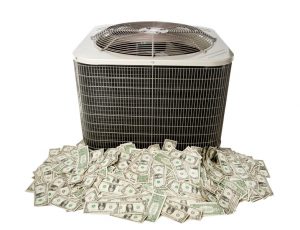 You’ve had your current air conditioner for more than ten years. Maybe more than fifteen or twenty. It’s just not working as well as it used to, or it’s started to run up astronomical bills each summer. Maybe it’s breaking down frequently and needs repair to keep it hobbling on. Or you might feel it’s time to retire it before all of those things start happening.
 We always encourage our customers to schedule spring air conditioning maintenance with us. We don’t want to be a pest about this, but it is extremely important to have these inspections and tune-ups done each year before the big summer heat and humidity arrives. There are many reasons why air conditioning maintenance is such an important job, and we’re going to look at a few specific problems an AC that doesn’t have spring maintenance done might run into.
 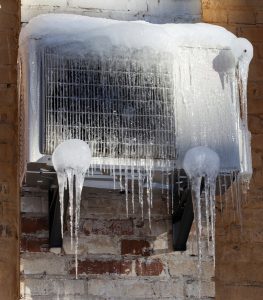 Eventually, your air conditioning system is going to shut down for the rest of the year. The cold settles in for winter, and it won’t be until spring arrives that you’ll turn on your cooling system once more. But you can’t simply trust that your AC will leap to life next year, fresh from a winter nap and ready to get to work once more. Air conditioners don’t work that way! You’ll need to schedule maintenance for it in spring, the same way we encourage homeowners now to
 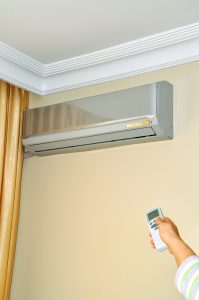 The fall is an ideal time to take care of HVAC installations in your home, both heating and cooling. The period between the harshest weather of the year allows you to take stock of your home’s comfort needs without feeling rushed. It’s also a good time to take advantage of the slower schedules of HVAC professionals, who aren’t under the burden of handling numerous AC or heating emergency repair calls.
 We once did a post on how
 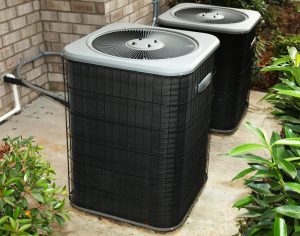 The world of HVAC has a set of terms that often sound bizarre to people who aren’t professionally trained. This is true of any technical field, and part of our job is breaking down details of air conditioning, heating, and ventilation in ways that make sense to laypeople. We want to maintain good communications with our customers and keep them informed every step of the way.
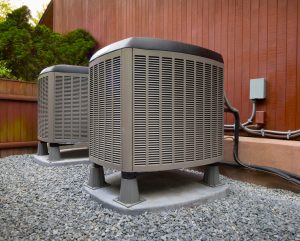
 Where does the actual “cooling” in an air conditioner occur? It happens along the surface and fins of the evaporator coil, located in the indoor cabinet of the air conditioner—which is also known as the (surprise) evaporator. Warm air drawn through the return air ducts by a blower fan passed over the coil, and the cold refrigerant moving through the coil evaporates. This draws heat from the air (as well as moisture), lowering the temperature of the air. The air continues into the ventilation system and then to the various rooms around the house.
 In a post we wrote at the beginning of the year, we talked about