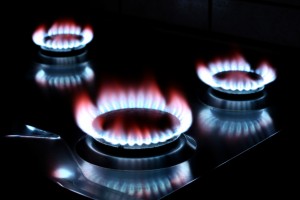
 If you operate a commercial kitchen in the Shreveport area, you may have wondered where you can arrange for installation of new equipment or schedule service work for your current equipment. You don’t have to look far outside the area: we are one of the few companies in Shreveport who offers full commercial kitchen equipment services. We handle all types of appliances necessary for a wide range of commercial kitchen types. Whether you’re looking for fryers, steamers, charbroilers, gas ranges, toasters, or various accessories, we can accommodate you.
We’re committed to the highest level of quality with our services, and that means working with the finest brands in commercial equipment. Here are a few of the top brands we install and service:
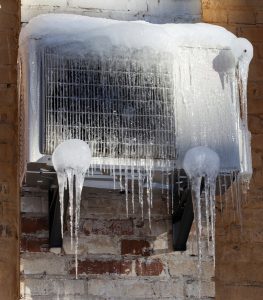 Eventually, your air conditioning system is going to shut down for the rest of the year. The cold settles in for winter, and it won’t be until spring arrives that you’ll turn on your cooling system once more. But you can’t simply trust that your AC will leap to life next year, fresh from a winter nap and ready to get to work once more. Air conditioners don’t work that way! You’ll need to schedule maintenance for it in spring, the same way we encourage homeowners now to
  Do you run a business that depends in some fashion on a commercial refrigeration appliance? Or many commercial refrigeration appliances? From restaurants and bakeries to healthcare facilities, refrigeration appliances are essential for day to day operation—and it’s also essential that these appliances are capable of functioning correctly. They can’t just be “okay” at their job; precision performance is critical.
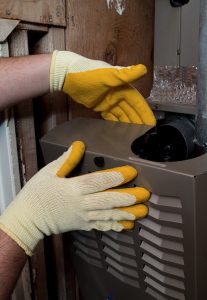 It’s October and people are already planning Halloween parties and costumes. And, if they want to be prepared for the change in the weather, they should also be planning for maintenance for their heating systems. In our last post we put up a friendly reminder for homeowners who have heat pumps that they
 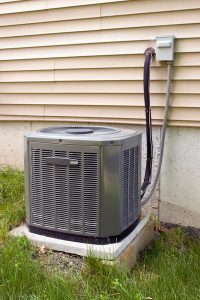 We just went through a hot couple of days here in Shreveport—that’s how it goes sometimes in September. Just because kids are going back to school doesn’t mean the weather of summer is suddenly over. Air conditioners are receiving a workout before they finally get to shut down for the change of seasons.
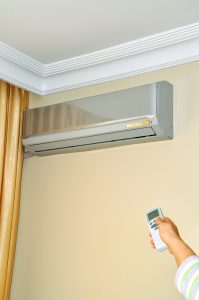 The fall is an ideal time to take care of HVAC installations in your home, both heating and cooling. The period between the harshest weather of the year allows you to take stock of your home’s comfort needs without feeling rushed. It’s also a good time to take advantage of the slower schedules of HVAC professionals, who aren’t under the burden of handling numerous AC or heating emergency repair calls.
 One of our specialties in the field of commercial services is installing, repairing, and maintaining commercial refrigeration equipment. Many businesses in the Shreveport area rely on refrigeration systems every day to operate. They are particularly important in food service industries, from large restaurants to small convenience stores.
 Humidity is often worse than the heat here in Louisiana. The high moisture levels in the air are like having an extra layer of clothing on: the moisture makes it harder for your body to release heat, and that extra heat trapped in your body makes the temperatures around you feel hotter than they are—sometimes as much as 8 to 10°F! The moisture can cause other troubles as well, from simple things like making it harder to dry off towels, to more serious issues like the growth of harmful molds in a home that lead to triggering allergies.
 We once did a post on how
 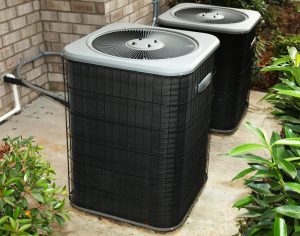 The world of HVAC has a set of terms that often sound bizarre to people who aren’t professionally trained. This is true of any technical field, and part of our job is breaking down details of air conditioning, heating, and ventilation in ways that make sense to laypeople. We want to maintain good communications with our customers and keep them informed every step of the way.